AI’s Resource Demands Are Rising, Is DePIN The Solution?
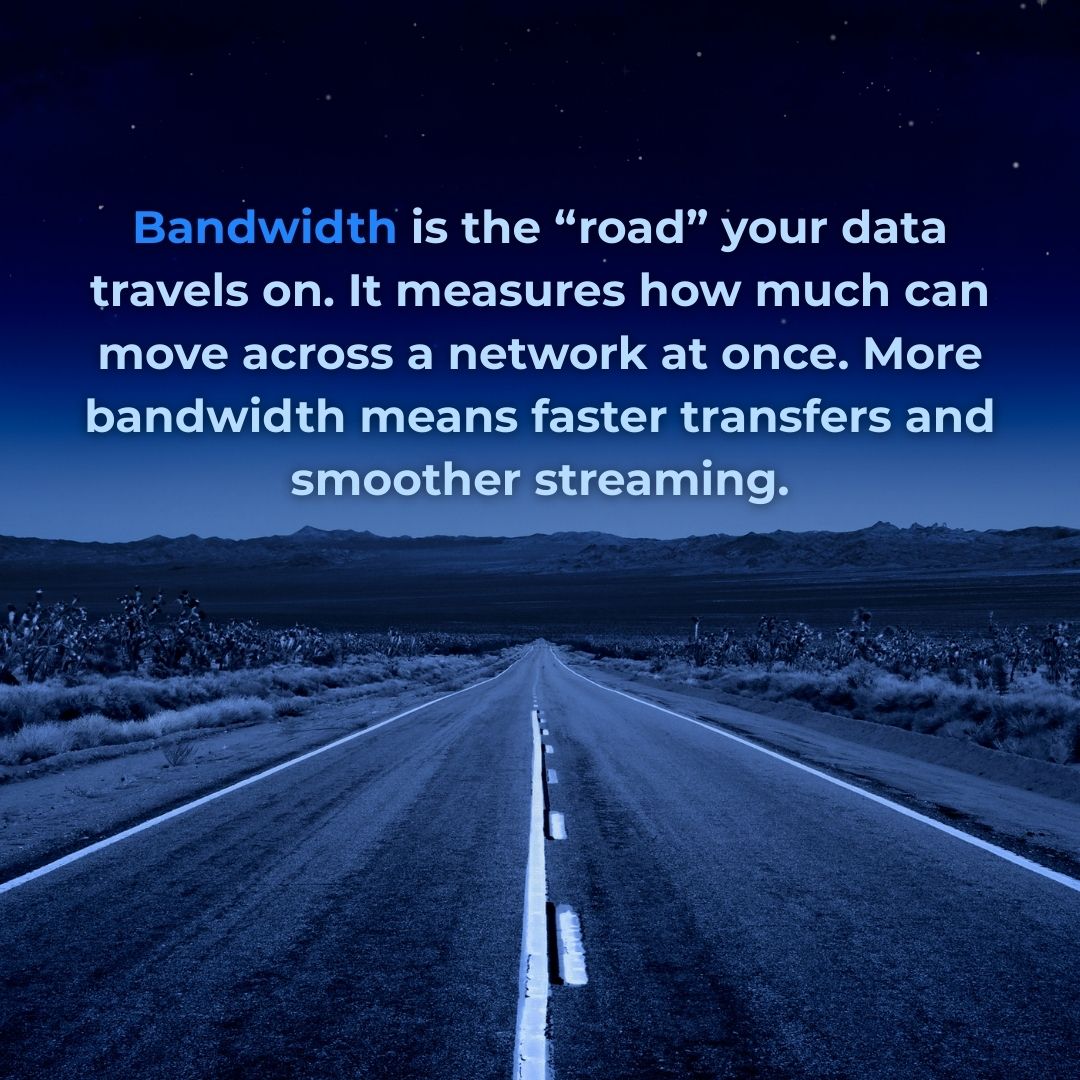
Artificial Intelligence is everywhere, from generative tools powering content creation to massive LLMs supporting enterprise operations. As we’re learning, AI requires a significant amount of energy and natural resources to operate. But there’s one resource that is less frequently discussed: bandwidth.
As AI models become more integrated, they need to move massive amounts of information between data centers, cloud nodes, and end users. That strain drives up costs, wastes energy, and exposes how heavily we depend on a small number of hyperscale providers. For this technology to scale sustainably, we need a more resilient and efficient distribution system.
That’s where Decentralized Physical Infrastructure Networks (DePIN) come in.
The AI Bandwidth Crunch
AI isn’t just compute-heavy; it’s bandwidth-intensive. Training a cutting-edge model can require petabytes of data moving across the network– that’s 1,000 TB or 1,000,000 GB!

Most of traffic is currently routed through centralized data centers, creating three major challenges:
- Bottlenecks and Latency - Requests often jump through distant servers, slowing response times.
- Cost Overload - Cloud bills for bandwidth are rising rapidly as AI adoption accelerates.
- Fragile Scaling - A few providers control the infrastructure, making it harder to scale quickly or recover from outages.
This centralized model wasn’t designed for a world where AI is becoming more and more integrated into every app, IoT device, and search query.DePIN Is Built for This ChallengeDePIN flips the script by distributing ownership and operation across a global network of contributors. Instead of a few mega data centers, DePIN networks can rely on thousands, or millions, of nodes offering bandwidth, storage, and compute capacity.
Why it matters:
- Distributed Bandwidth - A network of contributors shares unused capacity, easing strain on centralized providers.
- Local Routing - Traffic flows through nearby nodes, improving speed and reliability.
- Community Rewards - Contributors earn tokens for supporting connectivity, encouraging participation.
- Built-in Resilience - A decentralized design keeps services running even during outages.
AI not only needs DePIN, but smart DePINs can leverage AI to become sharper, leaner, and more responsive.
Building a Community-Powered Network
Bandwidth is only part of the puzzle. The real promise of DePIN is a community-powered model where contributors and ISPs work together to improve connectivity. Participants earn rewards for strengthening local networks, helping to close coverage gaps and make high-quality internet access available in more places.
Smarter Growth for the Internet
Instead of building endless towers and data centers, DePIN focuses on using existing resources more effectively. By connecting communities and providers, we can expand coverage in a way that is sustainable and cost-efficient.
People do not just need faster speeds. They need affordable, reliable access that supports education, business, and daily life. In these early days of DePIN, contributors can earn rewards such as tokens or digital currencies, potentially offsetting the cost of your internet bill.
The Bigger Picture
This is not just a battle between old and new infrastructure. It is about creating a system that prioritizes people, ownership, and sustainability. With a collaborative network, we can bring Wi-Fi to schools in rural Africa, provide emergency communication to humanitarian organizations, and reduce the environmental & financial cost of expanding connectivity.
.jpg)